The Power of Music: Boost Brain Health & Wellbeing
Neuroscience, Music, Mental Wellbeing
The Incredible Power of Music: How It Connects to Brain Health and Mental Wellbeing
Discover how music engages the brain, shapes emotions and supports everyday mental wellbeing, and explore how it connects to Cameron Oates’ personal musical journey.
Why Does Music Feel So Deeply Personal?
Have you ever heard a song and felt your mood shift almost instantly? A few notes can bring back a childhood memory, remind you of a person you miss, or help you feel less alone on a difficult day. These experiences are not random. They reflect the way music interacts with the brain, the body and our sense of self.
Music is powerful because it brings together sound, emotion, memory and movement in a single experience. It can sit quietly in the background, or it can feel like a companion walking beside us through important moments in life. Understanding a little of the science behind this connection can help us use music more intentionally to support our wellbeing.
How Music Engages the Brain, Emotions and Memory
When you press play, your brain does not simply “hear” a song. It runs a complex, coordinated process involving several regions at once:
The auditory cortex helps you recognise pitch, rhythm and melody.
Areas linked to emotion, such as parts of the limbic system, respond to the feeling in the music.
Memory networks connect the song with past experiences, people and places.
Regions involved in movement light up, even if you are sitting still, which is why you may tap your foot or nod your head without thinking.
Because so many systems are involved, music can feel deeply connected to who we are. A single song may carry years of meaning. It can remind us of our values, relationships and turning points in life, supporting a sense of identity and continuity over time.
Music, Stress and Everyday Mental Wellbeing
Stress is a normal part of being human. Work demands, health challenges, family responsibilities and constant digital noise can all place pressure on our minds and bodies. While music is not a cure for mental health conditions, it can be one useful tool within a broader approach to wellbeing and professional support where needed.
Research suggests that, for some people, certain types of music may help reduce feelings of tension and support relaxation. Slower tempos, gentle dynamics and predictable patterns can give the nervous system a chance to settle. For others, more upbeat or rhythmic music may provide a sense of energy, motivation or emotional release during a demanding day. The key point is that responses are individual. What calms one person may feel unsettling to someone else.
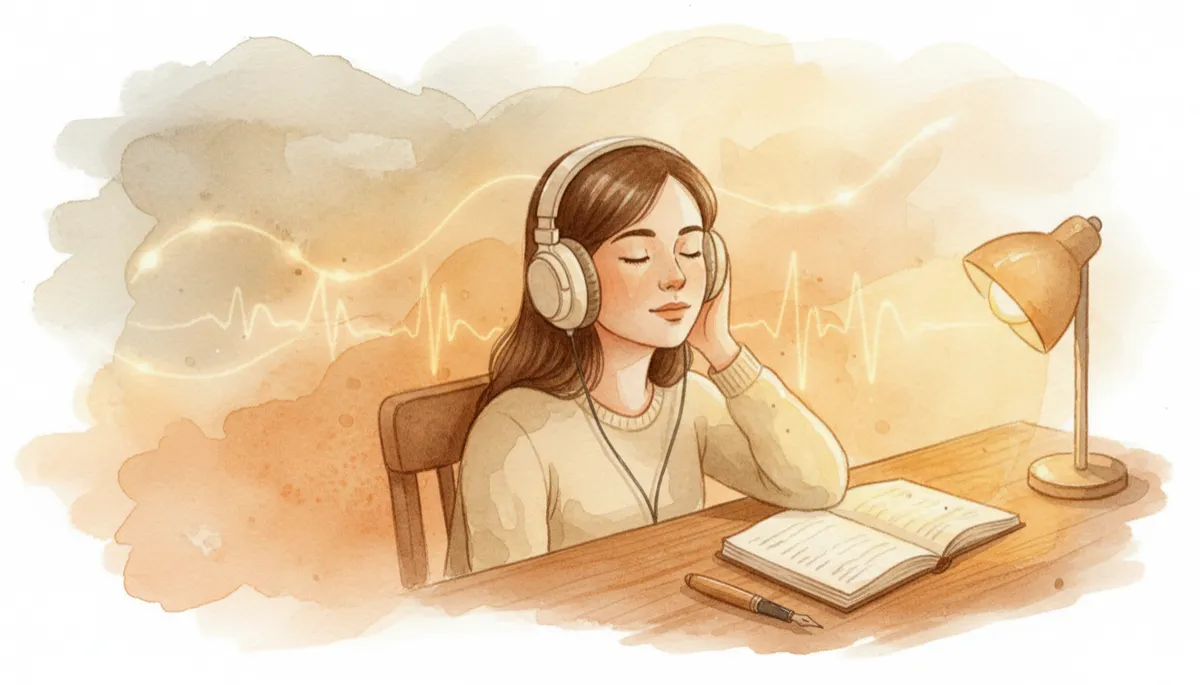
Short, intentional listening breaks can create breathing space within a busy day.
The Neuroscience of Music in Simple Language
Music and the Brain’s Reward System
When you listen to music you enjoy, parts of the brain linked with reward and motivation can become more active. These areas use chemical messengers, such as dopamine, that are also involved when we experience pleasure, anticipation or a sense of satisfaction. This does not mean music “fixes” difficult feelings, but it may help create brief moments of enjoyment or relief that support coping and resilience.
Music, the Nervous System and Regulation
The autonomic nervous system helps regulate heart rate, breathing and how alert or restful we feel. Some studies suggest that slower, steady music may be linked with slower breathing and heart rate in certain people, while louder or faster sounds may be linked with increased alertness. Again, there is no single rule. Paying attention to your own responses can help you choose music that supports the state you need in a given moment—whether that is focus, calm or gentle activation.
Emotion, Meaning and Personal History
Over time, your brain links certain songs with experiences. A track you heard during recovery from illness, a piece played at a significant event, or a song you shared with a friend can all become emotional anchors. When you hear them again, networks involved in memory and emotion work together, sometimes leading to powerful responses. Understanding this link can help you choose music that supports the stories you want to reinforce in your life today.
Note: If you are living with ongoing anxiety, low mood or other mental health concerns, music can sit alongside, not replace, support from a qualified health professional.
Practical Ways to Use Music in Everyday Life
Create mood-based playlists: Build separate playlists for focus, winding down, movement and reflection. Notice which songs genuinely help.
Schedule short listening breaks: Take three to five minutes between tasks to listen without multitasking and check in with how you feel.
Use music to mark transitions: Choose a song to begin the workday, another to close your laptop, and one to support evening unwinding.
Experiment with creating: You do not need formal training. Simple guitar shapes, humming or experimenting with sounds can offer a safe space for expression.
Reflect after listening: Ask yourself, “How do I feel now compared to five minutes ago?” Over time, this builds awareness of how music influences your state.
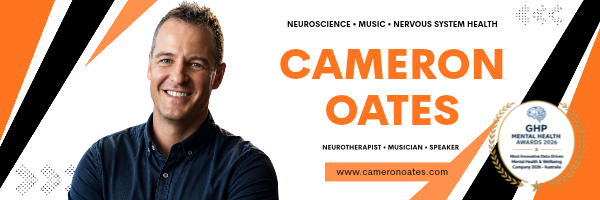
Cameron Oates: When Music Becomes a Pathway to Understanding
For Cameron Oates, the connection between music, brain health and human behaviour is not only an area of interest—it is part of his personal story. In his early 20s, a back injury changed the course of his work as an air-conditioning mechanic. During rehabilitation, he picked up a guitar and began writing songs inspired by life’s challenges and everyday experiences. That decision opened a new way of exploring emotion, resilience and meaning.
Cameron’s work now sits at the intersection of music, neuroscience, behaviour and wellbeing. Rather than presenting music as a quick fix, he invites people to notice how sound shapes their inner world—how a certain chord progression can feel grounding, how rhythm can support movement, and how creative expression can help us understand ourselves more clearly. His journey reflects a broader truth: music can become a language for experiences that are hard to put into words.
To learn more about Cameron’s projects, talks and creative work, you can explore his website at cameronoates.com, including pages such as his music, live performances and speaking topics where he explores these ideas in greater depth.
A Meaningful Invitation: Listen With Awareness
Music is woven into daily life—through headphones, speakers, workplaces and public spaces. Yet we rarely pause to ask how it is shaping our thoughts, feelings and sense of connection. By understanding a little of the neuroscience behind music and mental wellbeing, we gain another way to care for our brains and our emotional lives with intention and curiosity.
The next time you press play, take a moment to notice: What is happening in your body? Which memories appear? How does the music influence your attention and mood? These small check-ins can turn everyday listening into a gentle practice of self-understanding.
If you would like to explore these ideas further—through music, storytelling and evidence-informed insights into the brain—visit cameronoates.com and continue the conversation with Cameron’s work.
Curious about the connection between neuroscience, human behaviour and music? Explore Cameron's work, discover new perspectives, and connect with him today! Click here to find out more →